Region
Monuments and cultural sites across the Kurdish regions of Iran
2 monuments documented
Rojhilat — Eastern Kurdistan, encompassing the Kurdish-majority provinces of western Iran — is home to some of the most spectacular ancient monuments in the entire Middle East. The Zagros Mountains that define this landscape have sheltered human civilisation for tens of thousands of years, and the region's heritage reflects the deep interweaving of Kurdish, Persian, and Mesopotamian cultural traditions.
 rojhilat
Inscription
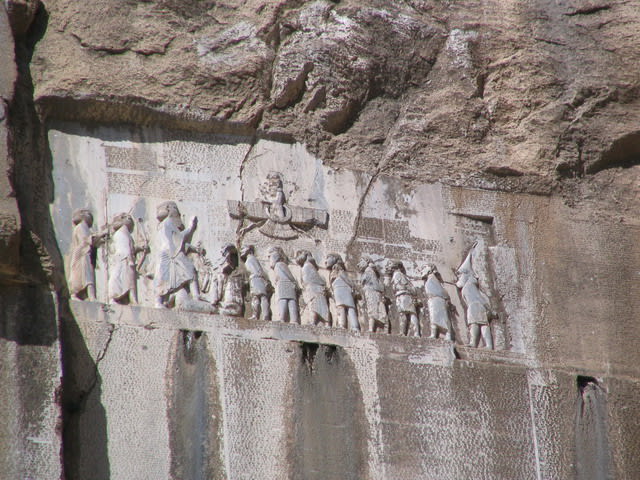
The Behistun Inscription is a monumental trilingual inscription carved into a limestone cliff in the Kermanshah province of Iran. It was commissioned by Darius I of Persia around 522 BCE and represents one of the most important archaeological discoveries in the region. The inscription was crucial in deciphering cuneiform script and understanding ancient Iranian history.
 Historic City
Historic City
Sanandaj Old Town is the historic center of the capital city of Iran's Kurdistan Province, featuring traditional Kurdish architecture and urban planning. The old quarter encompasses centuries-old bazaars, mosques, hammams, and residential quarters that reflect the rich cultural heritage of Iranian Kurds.
Near Kermanshah, the rock reliefs of Taq-e Bostan represent the finest surviving examples of Sasanian monumental art. Carved into a cliff face beside a sacred spring, the reliefs include an extraordinary equestrian portrait of King Khosrow II and elaborate hunting scenes of astonishing detail and beauty.
Also near Kermanshah, the Behistun Inscription is a UNESCO World Heritage Site and one of the most important historical documents ever created. Carved 100 metres above the ground by order of Darius the Great around 520 BCE, its trilingual text provided the key to deciphering cuneiform — unlocking the entire literary heritage of ancient Mesopotamia.
The Ardalan dynasty ruled parts of eastern Kurdistan from their capital at Sanandaj for over five centuries (14th–19th century). Their patronage fostered a distinctive tradition of Kurdish architecture, music, and literature. Ardalan-era buildings and fortifications, including the Rabat Citadel near Sardasht, survive across the region.
The Zagros foothills of Rojhilat were one of the cradles of agriculture. Sites like Ganj Dareh and the nearby Jarmo (across the border in Başûr) provide evidence for the earliest transitions from hunting and gathering to settled farming — the Neolithic Revolution that gave rise to civilisation itself.
Monuments and cultural sites across the Kurdish regions of Turkey
4 monuments
Monuments and cultural sites across the Kurdistan Region of Iraq
1 monument

Monuments and cultural sites across the Kurdish regions of Syria
0 monuments