Region
Monuments and cultural sites across the Kurdistan Region of Iraq
1 monument documented
Başûr — the Kurdistan Region of Iraq — is home to some of the most iconic monuments of Kurdish heritage. The Citadel of Erbil, the sacred Yazidi temples of Lalish, the prehistoric Shanidar Cave, the ancient bridge of Zakho — these sites span the full arc of human civilisation, from the earliest agricultural settlements to the present day.
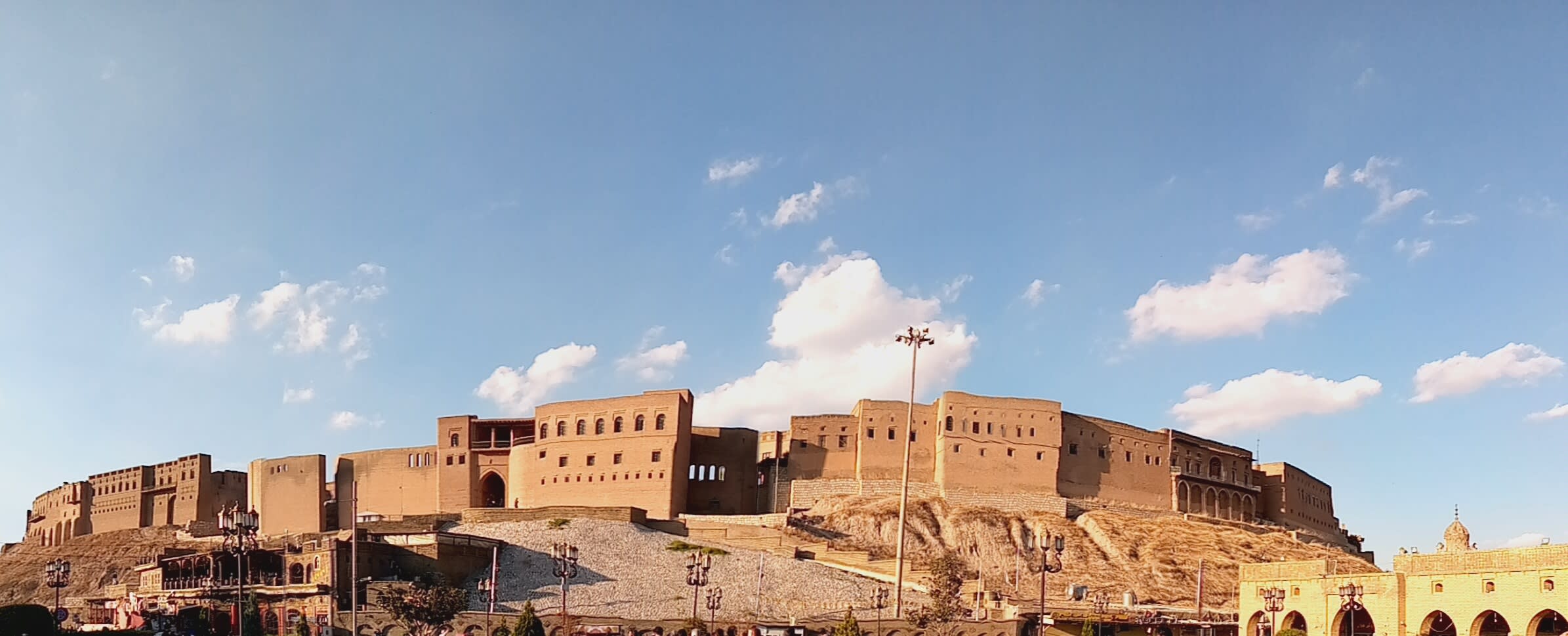
The Kurdistan Region's capital is dominated by the Citadel of Erbil, a UNESCO World Heritage Site and one of the oldest continuously inhabited places on Earth. The massive artificial mound — accumulated over 6,000 years of continuous occupation — rises 30 metres above the modern city, crowned by Ottoman-era courtyard houses currently undergoing restoration.
Nestled in a mountain valley near Duhok, the Lalish temple complex is the holiest site of the Yazidi faith. Its distinctive fluted conical domes and sacred springs draw pilgrims from around the world. The preservation of Lalish and other Yazidi sites took on existential urgency following the 2014 ISIS genocide.
In the Bradost Mountains, Shanidar Cave yielded one of archaeology's most famous discoveries — the "Flower Burial" of a Neanderthal individual 60,000 years ago, challenging assumptions about Neanderthal intelligence and emotion. Ongoing excavations continue to reshape our understanding of human prehistory.
From the beloved Dalal Bridge in Zakho — an unofficial symbol of Kurdistan — to the mountaintop city of Amadiya, from the Baban Emirate capital of Sulaymaniyah to the Soran Emirate seat at Koya, Başûr's heritage is both ancient and deeply connected to Kurdish political and cultural identity.
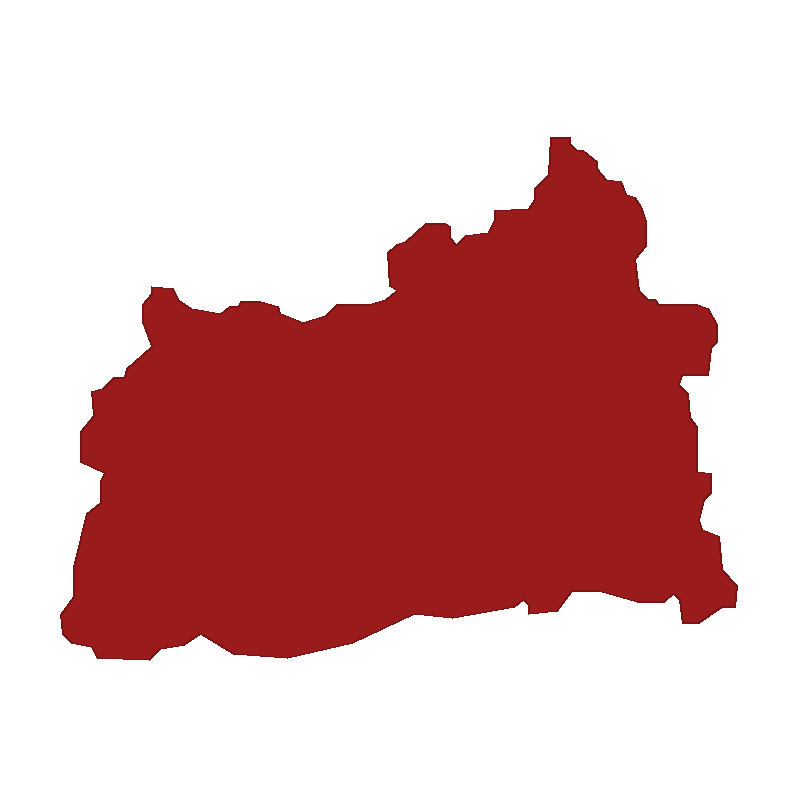
Monuments and cultural sites across the Kurdish regions of Turkey
4 monuments
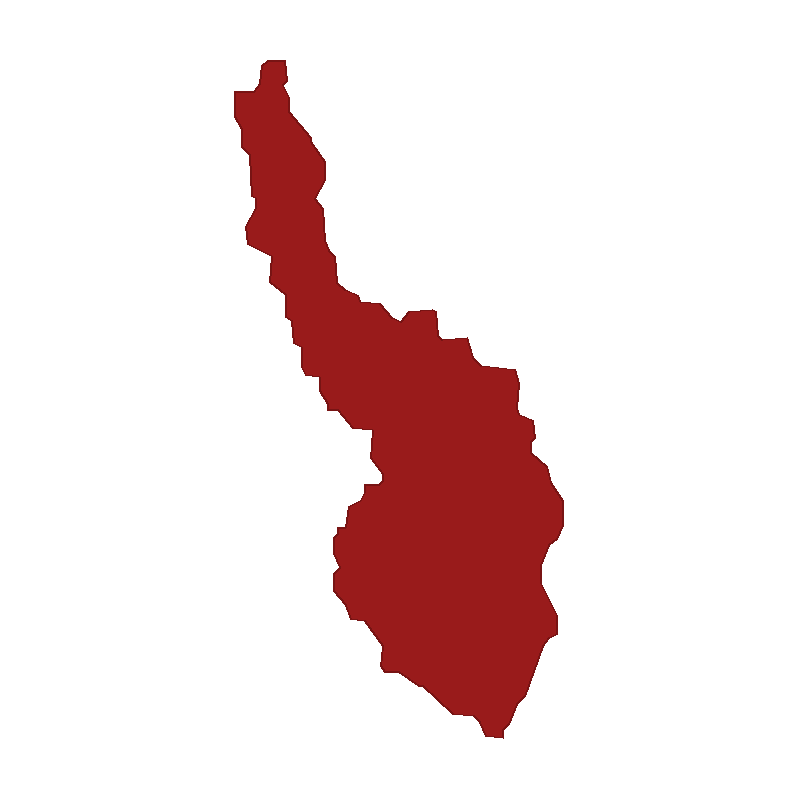
Monuments and cultural sites across the Kurdish regions of Iran
2 monuments

Monuments and cultural sites across the Kurdish regions of Syria
0 monuments