Region
Monuments and cultural sites across the Kurdish regions of Syria
Rojava — Western Kurdistan, the Kurdish-majority regions of northern Syria — sits at the crossroads of Mesopotamian, Anatolian, and Mediterranean civilisations. Despite the devastation of the Syrian civil war and Turkish military operations, the region contains heritage sites of extraordinary significance spanning from the Neolithic period to the present.
No monuments found for this category yet.
Check back as our collection grows.
The Iron Age temple of Ain Dara near Afrin (c. 1300–740 BCE) was one of the most important ancient religious sites in Syria. Notable for its massive carved stone footprints, basalt lion guardians, and walls decorated with sphinxes and mountain gods, the temple bore remarkable parallels to the biblical description of Solomon's Temple. In January 2018, Turkish airstrikes during Operation Olive Branch destroyed approximately 60% of the structure — an irreversible loss.
The Afrin region contained dozens of significant archaeological and historical sites, including Hellenistic temples, Roman-era settlements, and medieval Kurdish shrines. The Turkish military operation of 2018 and subsequent occupation have severely impacted heritage preservation in the region, with reports of looting and deliberate destruction.
Near the Kurdish city of Serêkaniyê (Ras al-Ain), Tell Halaf is one of the most important archaeological sites in the ancient Near East. The site gave its name to the Halaf culture (6100–5100 BCE), known for its distinctive painted pottery. The Aramaean palace complex discovered here yielded monumental sculptures now housed in museums in Berlin and Aleppo.
Despite ongoing conflict, Kurdish autonomous authorities in northeastern Syria have made efforts to protect and document cultural heritage sites. The challenge remains immense, with active military threats, limited resources, and the displacement of communities who served as traditional custodians of these sites.
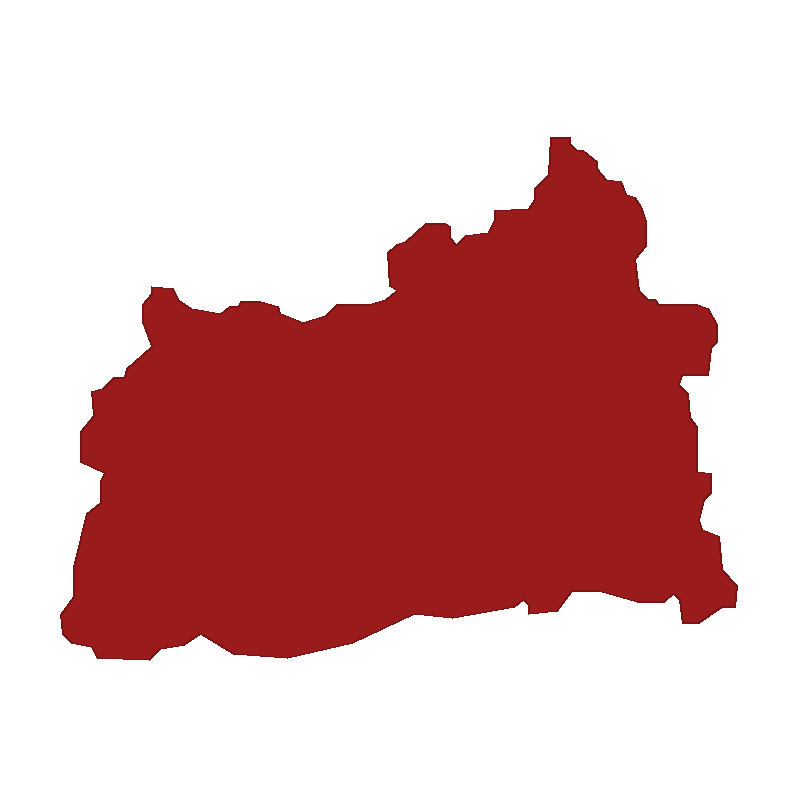
Monuments and cultural sites across the Kurdish regions of Turkey
4 monuments
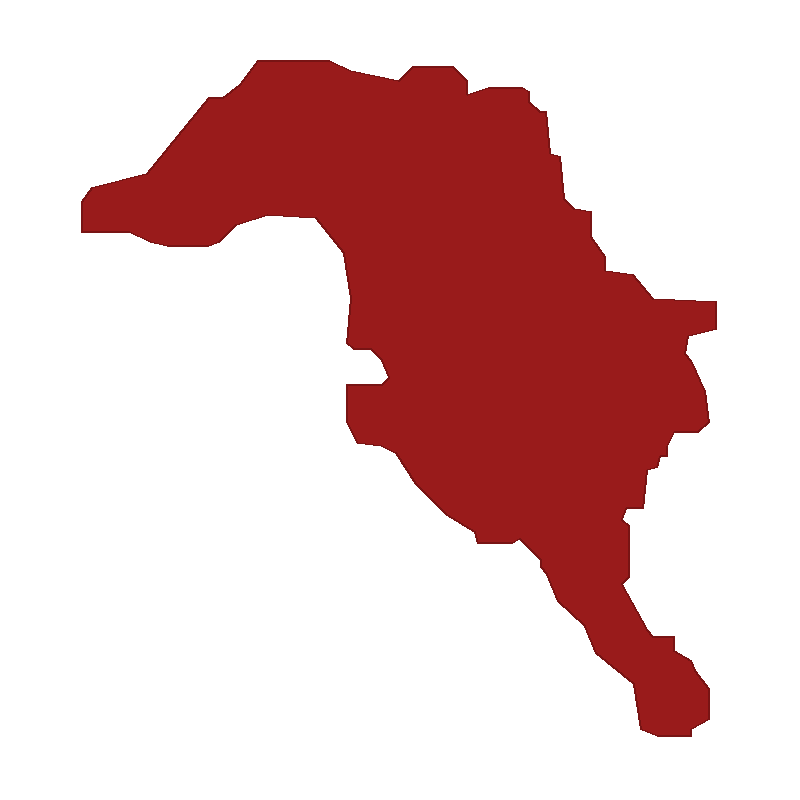
Monuments and cultural sites across the Kurdistan Region of Iraq
1 monument
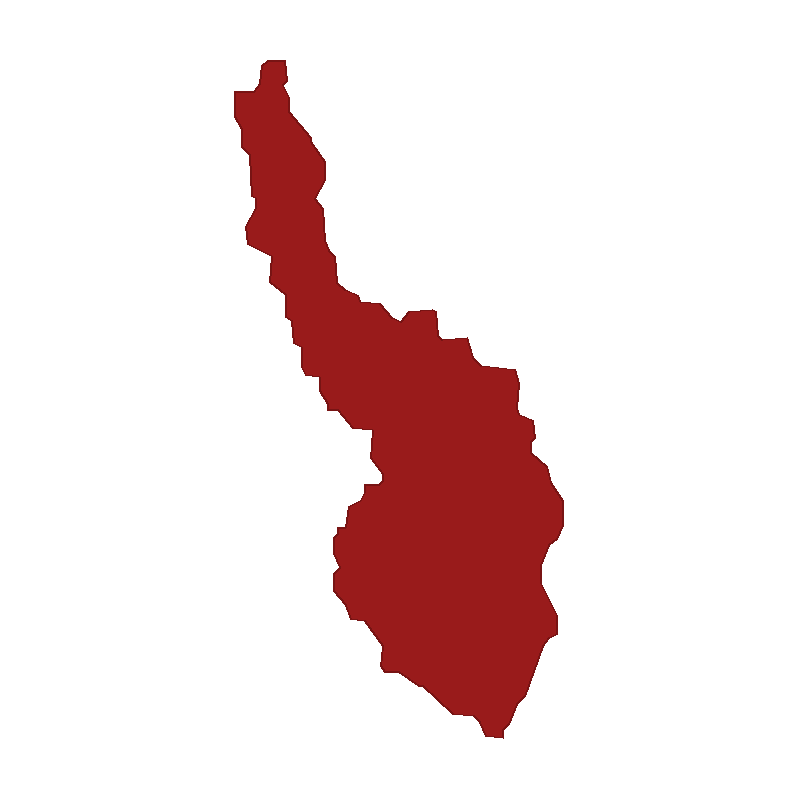
Monuments and cultural sites across the Kurdish regions of Iran
2 monuments