Monument Type
The Citadels of Kurdistan
Mountaintop fortresses that shaped 6,000 years of history
1 monument documented
Guardians of the Mountains
For thousands of years, the mountains of Kurdistan have been crowned by citadels — massive fortified settlements built on natural high ground. These were not merely military outposts. They were centres of governance, commerce, religion, and culture.
From the ancient tell of Erbil to the cliff-top plateau of Amadiya, these fortified settlements are the beating hearts of Kurdish civilisation.
Every wall we open tells a story. This citadel is not just a monument — it is a library written in stone and earth.
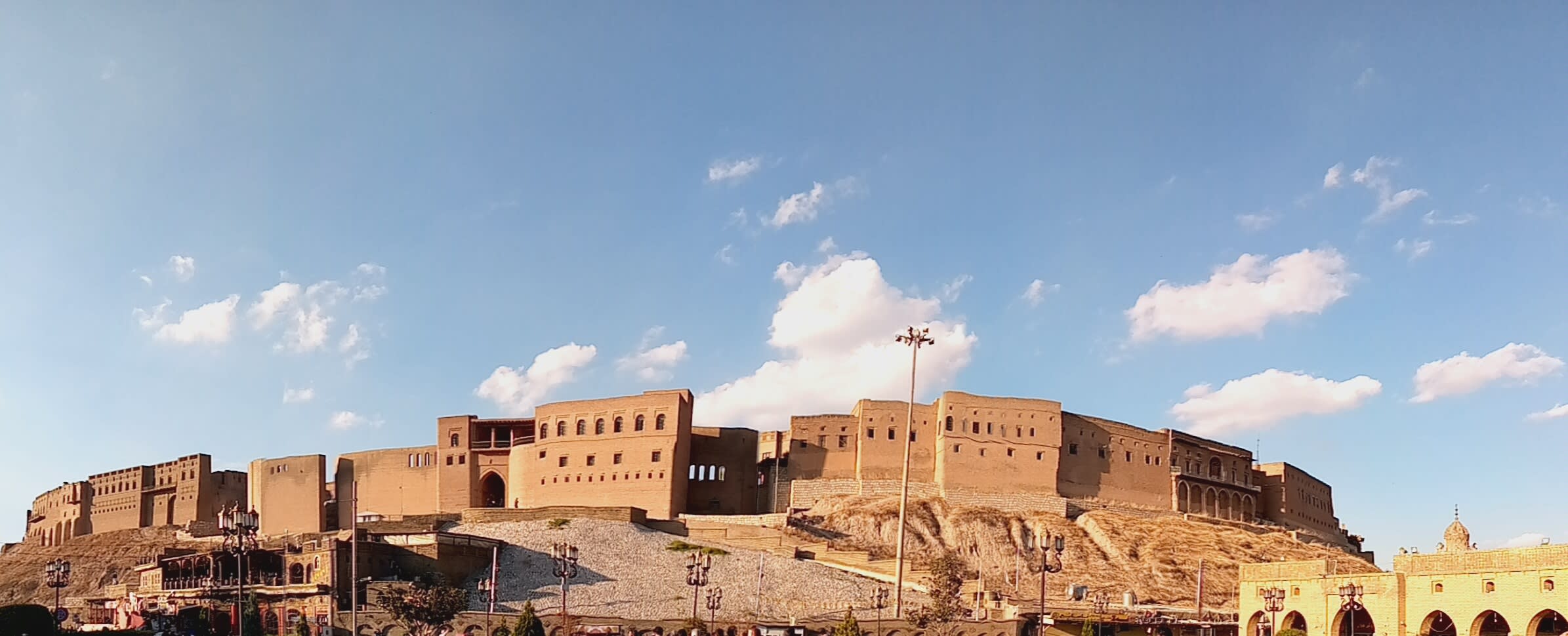
Erbil Citadel — A UNESCO World Heritage Site
The Citadel of Erbil (Qelay Hewlêr) is perhaps the most iconic of all Kurdish citadels. Rising 30 metres above the modern city, it has been continuously inhabited for over 6,000 years.
Amadiya — Gateway in the Cliff
Perched atop a flat-topped mountain at 1,400 metres elevation, Amadiya (Amêdî) is accessible only through a single gate cut into the cliff face. This dramatic setting made it the natural capital of the Bahdinan Emirate, one of the most powerful Kurdish principalities.
The city was remarkable for its religious diversity, home to Muslim, Jewish, and Christian communities for centuries.
A Living Heritage
Unlike many ancient fortifications that survive only as ruins, several Kurdish citadels remained inhabited into the modern era — and some, like Erbil, continue to be lived in today. This continuity of occupation makes them not just archaeological sites but living cultural landscapes, where past and present intertwine.
Monuments
1 site in our collection